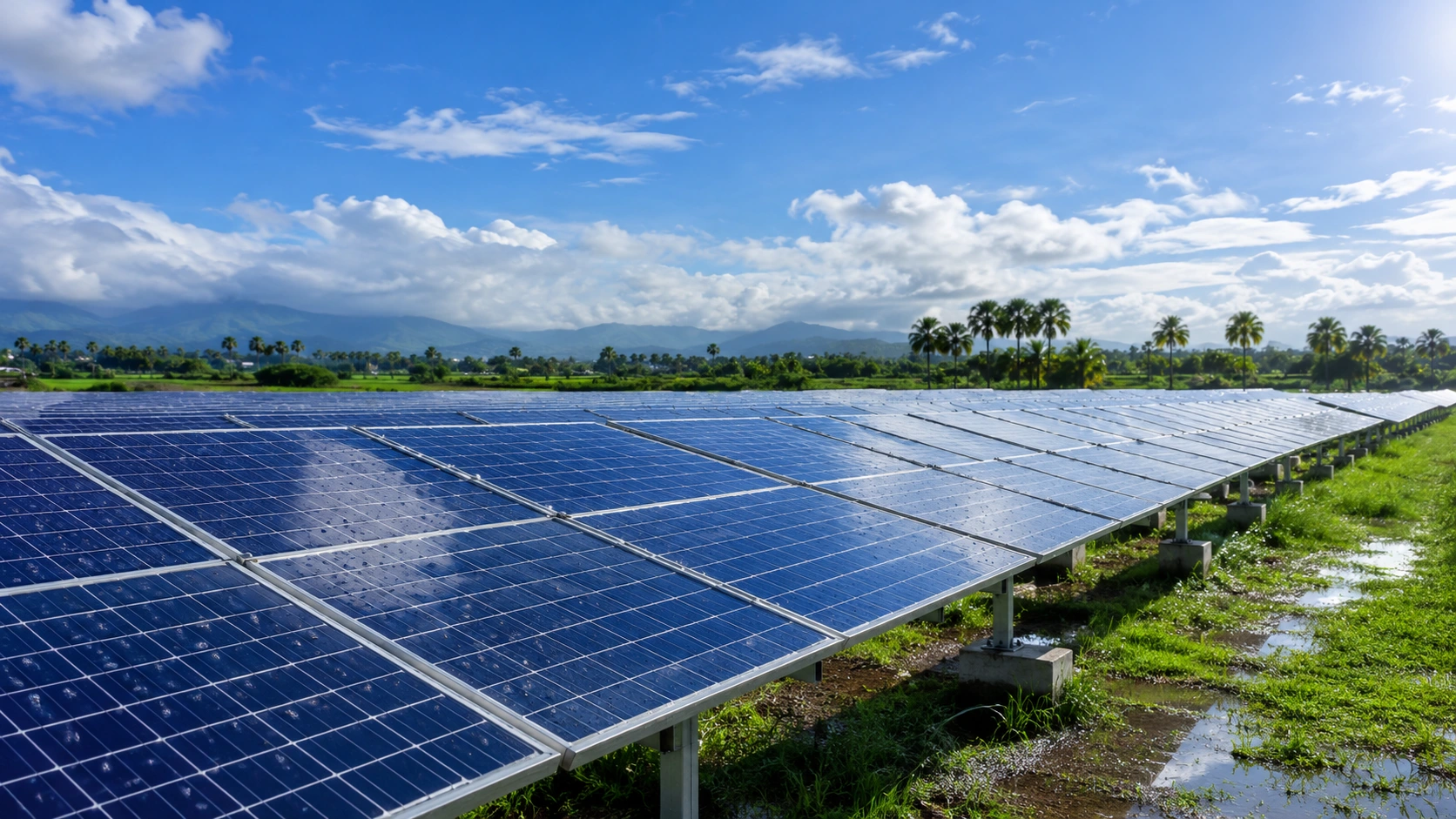
Tamil Nadu Records Its Highest October Solar Power Generation: What Does This Mean for Homeowners?
Tamil Nadu recently achieved a record peak solar power generation of 8,818 MW in October 2026. Discover what this milestone means for renewable energy, rooftop solar installations, electricity generation, and homeowners considering solar power.
Tamil Nadu is continuing to strengthen its position in India's renewable energy sector, and a recent solar generation milestone highlights just how much progress the state is making.
On October 30, 2026, Tamil Nadu recorded a peak solar power generation of 8,818 MW, setting a new record for the month of October. The state also generated 63.97 million units of solar electricity on that day.
This achievement came after a period of widespread Northeast monsoon rainfall, when cloudy skies and reduced sunlight affected solar generation across the state. As rainfall activity eased and clearer skies returned, solar electricity generation increased significantly.
But what does this record actually mean for ordinary households?
Does it mean solar panels are becoming more effective? Can homeowners generate enough electricity for their daily needs? And is this a good time to consider installing rooftop solar?
Let's understand the recent development and what it means for homeowners in Tamil Nadu.
Tamil Nadu Achieves a New Solar Power Generation Record
According to figures reported by Tamil Nadu Power Distribution Corporation Limited (TNPDCL), the state achieved a peak solar generation of 8,818 MW on October 30, 2026.
The achievement surpassed the previous peak of 8,779 MW recorded on September 29, 2026.
At the time, Tamil Nadu had an installed solar generation capacity of approximately 12,946 MW. The state also generated 63.97 million units of solar electricity during the day.
One important factor behind this increase was the improvement in weather conditions. Heavy rainfall associated with the Northeast monsoon had temporarily affected solar generation. Once the skies became clearer, solar output recovered and reached a new peak.
This milestone demonstrates two important things: Tamil Nadu has developed substantial solar generation capacity, and actual electricity generation is closely connected to the availability of sunlight.
| Solar Generation Detail | Recorded Figure |
|---|---|
| Date of record | October 30, 2026 |
| Peak solar generation | 8,818 MW |
| Previous peak | 8,779 MW |
| Installed solar capacity | 12,946 MW |
| Solar electricity generated during the day | 63.97 million units |
It is important to understand that 8,818 MW represents the peak generation level, not the amount of electricity generated throughout the entire day. The daily energy figure is measured separately in million units (MU).
Why Is Tamil Nadu Generating More Solar Electricity?
Solar electricity generation depends on several factors, including sunlight availability, installed capacity, weather conditions, and the performance of solar equipment.
Tamil Nadu has favourable conditions for solar energy across many parts of the state. However, generation can change significantly from one day to another.
Here are some of the important factors influencing solar power generation.
1. Availability of Sunlight
Sunlight is the primary energy source for solar panels. When sunlight reaches photovoltaic cells, they convert a portion of that energy into electricity.
During clear weather, solar panels generally receive more usable sunlight than during heavily overcast conditions.
This is one reason solar generation can increase after a period of rainfall when clearer skies return.
However, more intense heat does not always mean more electricity. Solar panel output can decrease as cell temperature rises, so both sunlight and temperature influence performance.
2. Increasing Installed Solar Capacity
Another important factor is the growing number of solar installations across the state.
Tamil Nadu has developed a substantial solar generation base through utility-scale solar projects and other installations.
As more solar capacity becomes operational, the state has greater potential to generate electricity from sunlight.
Installed capacity represents the maximum rated power of the connected solar equipment under specified conditions. Actual generation depends on sunlight, equipment performance, and grid operating conditions.
3. Changing Weather Conditions
Weather has a direct influence on solar generation.
During the Northeast monsoon, Tamil Nadu experiences periods of cloud cover and rainfall. These conditions can reduce the sunlight reaching solar panels.
When the weather improves, solar installations can generate more electricity again.
The October 30 generation record followed a break in widespread rainfall, showing how quickly solar output can recover when sunlight becomes more available.
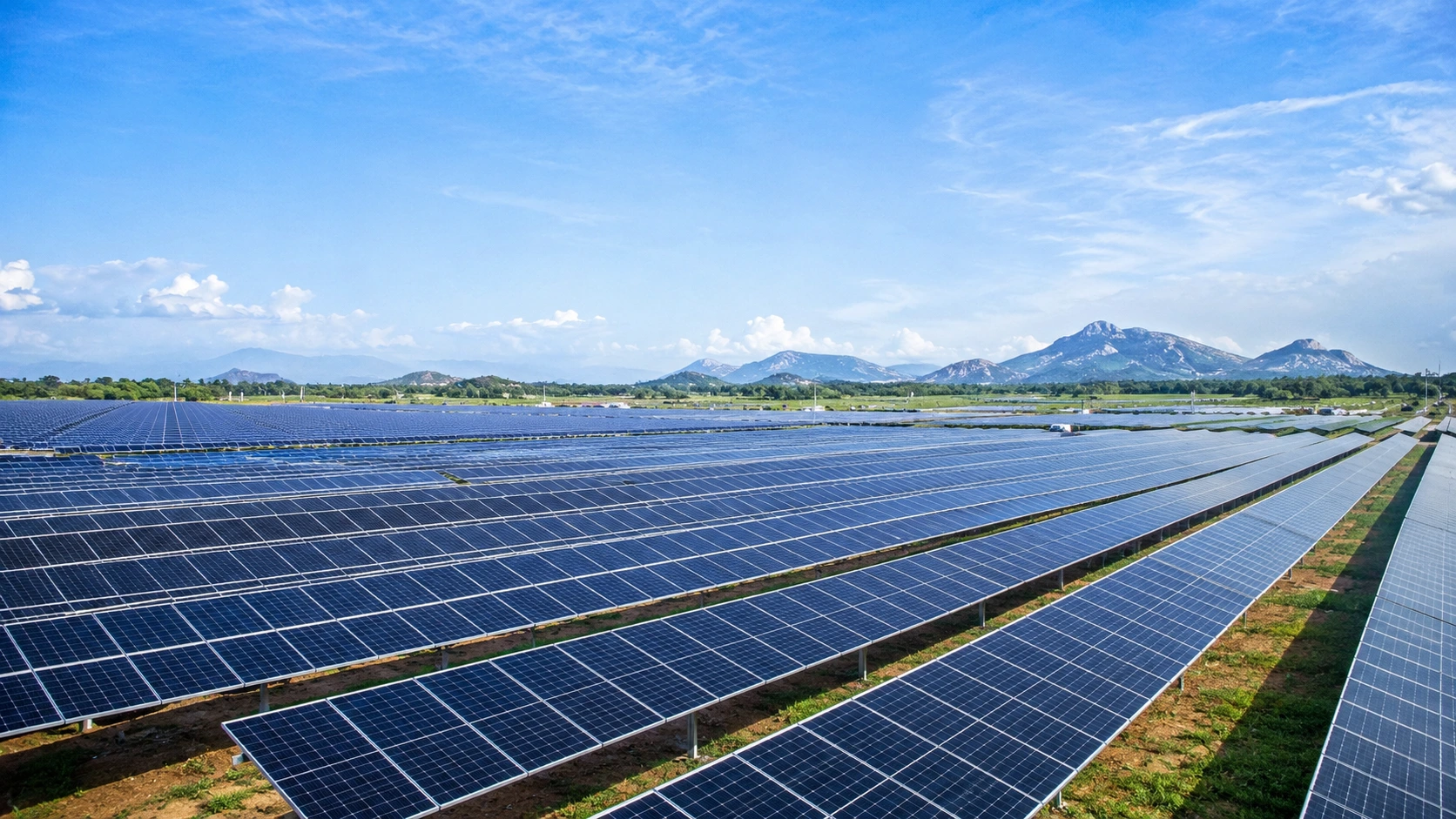
What Does This Solar Generation Record Mean for Homeowners?
A record in statewide solar generation is encouraging news, but its importance goes beyond a single electricity generation figure.
It highlights the growing role of solar energy in Tamil Nadu's electricity system and creates an opportunity for homeowners to understand how they can benefit from generating electricity at their own properties.
You do not need to own a large solar farm to participate in this transition. A properly designed rooftop solar system can help your household generate electricity from sunlight and reduce its dependence on grid electricity.
1. You Can Generate Your Own Electricity
One of the biggest advantages of residential rooftop solar is the ability to generate electricity directly at your home.
Instead of depending entirely on electricity supplied through the grid, you can install solar panels on a suitable rooftop and use the electricity they produce during the day.
Your actual electricity generation depends on system capacity, roof orientation, shading, weather conditions, equipment quality, and installation.
For households with suitable rooftops and electricity consumption, rooftop solar can become a practical way to manage long-term electricity expenses.
2. You Can Reduce Your Electricity Bill
When your solar panels generate electricity, your household can use that electricity to operate appliances such as fans, lights, refrigerators, televisions, and other electrical equipment.
This reduces the amount of electricity your home needs to draw from the grid at that moment.
If your system generates more electricity than your household consumes, surplus electricity may be exported to the grid under an eligible net-metering or other applicable arrangement.
The actual bill savings depend on your consumption pattern, system size, applicable tariff, billing arrangement, and solar generation.
3. You Can Make Better Use of Tamil Nadu's Solar Potential
Tamil Nadu receives useful solar radiation across many locations, making rooftop solar an option worth evaluating for residential and commercial properties.
A suitable rooftop can turn otherwise unused space into an electricity-generating area.
However, not every roof is equally suitable. Nearby buildings, trees, rooftop structures, orientation, and available installation space can influence the amount of electricity your system generates.
A professional site assessment can help determine the appropriate system capacity and expected performance.
4. Government Support Can Make Rooftop Solar More Accessible
Eligible residential consumers in Tamil Nadu may benefit from financial assistance through the central PM Surya Ghar Muft Bijli Yojana and the additional state subsidy.
Under the published Tamil Nadu residential rooftop solar subsidy structure, the combined assistance can reach up to ₹1,00,000 for eligible installations.
The applicable amount depends on system capacity and scheme conditions. Homeowners should also check vendor eligibility, equipment requirements, installation procedures, and the latest application guidelines before proceeding.
The subsidy is separate from the statewide solar generation record discussed in this article. The generation milestone does not itself change subsidy eligibility or payment rules.
How Much Electricity Can Rooftop Solar Generate in Tamil Nadu?
One of the most common questions homeowners ask is how many electricity units a rooftop solar system can generate.
The answer depends on the system capacity and the conditions at the installation site.
As a broad planning illustration, a properly installed rooftop solar system in Tamil Nadu may generate approximately 4 to 5 units per day for each kilowatt of installed capacity under favourable average conditions.
This is an approximate planning range, not a guaranteed daily output. Actual generation can be lower or higher depending on location, season, weather, shading, panel orientation, temperature, and system losses.
| System Capacity | Illustrative Daily Generation | Illustrative Monthly Generation |
|---|---|---|
| 1 kW | 4–5 units | 120–150 units |
| 2 kW | 8–10 units | 240–300 units |
| 3 kW | 12–15 units | 360–450 units |
| 5 kW | 20–25 units | 600–750 units |
| 10 kW | 40–50 units | 1,200–1,500 units |
These figures are illustrative estimates based on an assumed average of 4–5 units per kW per day. They should not be interpreted as guaranteed output or used as a substitute for a site-specific generation assessment.
For example, a 3 kW system may be suitable for a household that consumes a moderate amount of electricity, but the right capacity should be determined using actual electricity bills and rooftop conditions.
Does Solar Power Generation Change During Different Seasons?
Yes. Solar electricity generation changes throughout the year because sunlight availability, cloud cover, rainfall, and temperature are not constant.
Tamil Nadu experiences different seasonal weather patterns, and these conditions can influence rooftop solar performance.
Understanding these seasonal changes helps homeowners set realistic expectations about electricity generation.
Summer Season
During periods of clearer skies and longer sunshine availability, solar panels can receive more sunlight and generate substantial electricity.
However, high panel temperatures can reduce electrical output. This means that the hottest day is not necessarily the day with the highest possible solar generation.
Proper panel selection, mounting, ventilation, and system design can help support reliable performance.
Monsoon Season
During the Northeast and Southwest monsoons, cloud cover and rainfall can reduce the sunlight reaching solar panels.
As a result, electricity generation may be lower on heavily overcast or rainy days.
However, solar panels continue to generate electricity from available daylight, including diffuse sunlight. Output simply varies with the intensity of the available sunlight.
Rain can also help wash away some loose dust, but it should not be considered a replacement for appropriate panel maintenance.
Winter and Clear Weather Periods
During periods of clearer weather, panels can receive more consistent sunlight than during heavily cloudy conditions.
Lower ambient temperatures can also be favourable for panel efficiency, although the overall generation still depends on the duration and intensity of sunlight.
This is why solar performance should be evaluated over longer periods rather than judged using a single day's output.
What Factors Affect the Electricity Generation of Your Rooftop Solar System?
Even when two homes install solar systems with the same capacity, their electricity generation may differ.
The reason is that several site-specific factors influence how effectively the panels receive sunlight and convert it into electricity.
- Roof orientation and panel tilt
- Shading from nearby buildings, trees, or rooftop structures
- Solar panel efficiency and temperature characteristics
- Dust, dirt, and other surface obstructions
- Cloud cover, rainfall, and seasonal sunlight availability
- Inverter efficiency and electrical system losses
- Quality of installation and system maintenance
Before installation, a proper site assessment should identify shading issues, available roof area, electrical requirements, and the most suitable panel arrangement.
A correctly designed system is more important than simply choosing the highest-capacity option available.
On-Grid vs Hybrid Solar: Which Is Suitable for Your Home?
Once you decide to explore rooftop solar, the next question is which type of system to install.
Two common options are on-grid solar and hybrid solar. Both use solar panels to generate electricity, but they differ in how they interact with the grid and whether they include battery storage.
| Feature | On-Grid Solar | Hybrid Solar |
|---|---|---|
| Grid connection | Connected to the electricity grid | Can operate with the grid and battery storage |
| Battery | Usually does not include a battery | Includes compatible battery storage |
| Daytime electricity | Solar powers household loads | Solar powers loads and can charge the battery |
| Surplus electricity | Can be exported under the applicable arrangement | Can charge the battery or be exported, depending on configuration |
| Power-cut backup | A conventional grid-tied system generally shuts down during an outage | Can provide backup if designed and configured for it |
| Initial investment | Generally lower | Generally higher |
| Suitable for | Households primarily looking to reduce electricity bills | Households needing backup power and energy storage |
If your main objective is reducing your electricity bill and your grid supply is reliable, an on-grid system may be a suitable option.
If you need backup electricity during power cuts, a properly designed hybrid system may be worth considering.
Remember that a conventional on-grid inverter normally shuts down during a grid outage for safety reasons. Simply installing solar panels does not guarantee backup power.
Is Now a Good Time to Install Rooftop Solar in Tamil Nadu?
Tamil Nadu's recent solar generation milestone highlights the growing contribution of renewable energy to the state's electricity supply.
For homeowners, the decision to install rooftop solar should be based on their own electricity consumption, available roof space, budget, and long-term energy requirements rather than a statewide generation record alone.
Before choosing a system, consider the following:
- Review your recent electricity bills to understand your monthly consumption.
- Check whether your rooftop receives sufficient sunlight.
- Identify shading from trees, buildings, and other structures.
- Choose a system capacity that matches your household's requirements.
- Compare detailed installation quotations.
- Check equipment specifications and warranty coverage.
- Understand net-metering and applicable electricity billing rules.
- Verify subsidy eligibility and installer requirements if you plan to apply.
Taking these steps can help you select a rooftop solar system that is appropriate for your home rather than investing in a system that is unnecessarily large or unsuitable.
Final Thoughts
Tamil Nadu's record peak solar generation of 8,818 MW is an encouraging milestone for the state's renewable energy sector.
It highlights the progress made in expanding solar generation capacity and demonstrates how favourable weather conditions can increase electricity production.
For homeowners, this development is a useful reminder that solar energy is becoming an increasingly important part of Tamil Nadu's electricity landscape.
With a suitable rooftop, properly selected equipment, and professional installation, households can generate their own electricity and potentially reduce their dependence on grid power.
However, the right system depends on your actual electricity consumption, roof conditions, budget, and energy requirements. A statewide generation record cannot guarantee the same output from every residential installation.
Thinking about installing rooftop solar for your home? Start by understanding your electricity usage and getting a professional assessment of your rooftop. Choosing the right system today can help you make better use of solar energy for years to come.
Frequently Asked Questions
Frequently Asked Questions (FAQ)
1. What is Tamil Nadu's highest solar power generation record in October 2026?
Tamil Nadu recorded a peak solar generation of 8,818 MW on October 30, 2026. The state also generated 63.97 million units of solar electricity during that day.
2. How much solar power capacity does Tamil Nadu have?
The installed solar generation capacity reported around the October 30, 2026 milestone was approximately 12,946 MW. Installed capacity represents rated generation potential, while actual output depends on sunlight, weather, equipment performance, and grid conditions.
3. Why did Tamil Nadu's solar generation increase in October 2026?
Solar generation increased after widespread Northeast monsoon rainfall eased and clearer skies returned. Better sunlight availability helped solar installations generate more electricity and achieve a new peak.
4. How many units can a 1 kW solar system generate per day in Tamil Nadu?
As a broad planning estimate, a properly installed 1 kW rooftop solar system may generate around 4 to 5 units per day under favourable average conditions. Actual generation depends on location, weather, shading, panel orientation, temperature, and system losses.
5. How much electricity can a 3 kW solar system generate in Tamil Nadu?
A 3 kW rooftop solar system may generate approximately 12 to 15 units per day under favourable average conditions. Monthly generation can vary with weather, season, shading, and installation quality.
6. Do solar panels generate electricity during the monsoon?
Yes. Solar panels can generate electricity during the monsoon because daylight and diffuse sunlight are still available. However, output may decrease during heavily cloudy or rainy conditions.
7. Does higher temperature always increase solar panel generation?
No. Solar panels need sunlight to generate electricity, but high cell temperatures can reduce their power output. Both sunlight availability and operating temperature influence actual generation.
8. Can homeowners benefit from Tamil Nadu's growing solar generation capacity?
Homeowners can participate by installing suitable rooftop solar systems. A properly designed installation can generate electricity for household use and may reduce grid consumption, depending on the household's usage and applicable billing arrangements.
9. Which is better for homes in Tamil Nadu: on-grid or hybrid solar?
On-grid solar may suit households primarily looking to reduce electricity bills, while hybrid solar may be more suitable for households that also need battery backup. The right choice depends on budget, grid reliability, electricity usage, and backup requirements.
10. Can I receive a government subsidy for rooftop solar in Tamil Nadu?
Eligible residential consumers may qualify for central and Tamil Nadu state financial assistance under the applicable rooftop solar schemes. Subsidy amounts, eligibility, vendor requirements, and installation conditions should be verified through the official scheme portals before applying.