Can Solar Panels Charge an Electric Vehicle? A Complete Guide for Homeowners
Learn how solar panels can be used to charge an electric vehicle at home, what affects charging performance, and how to combine rooftop solar with an EV charger for cleaner and more affordable transportation.
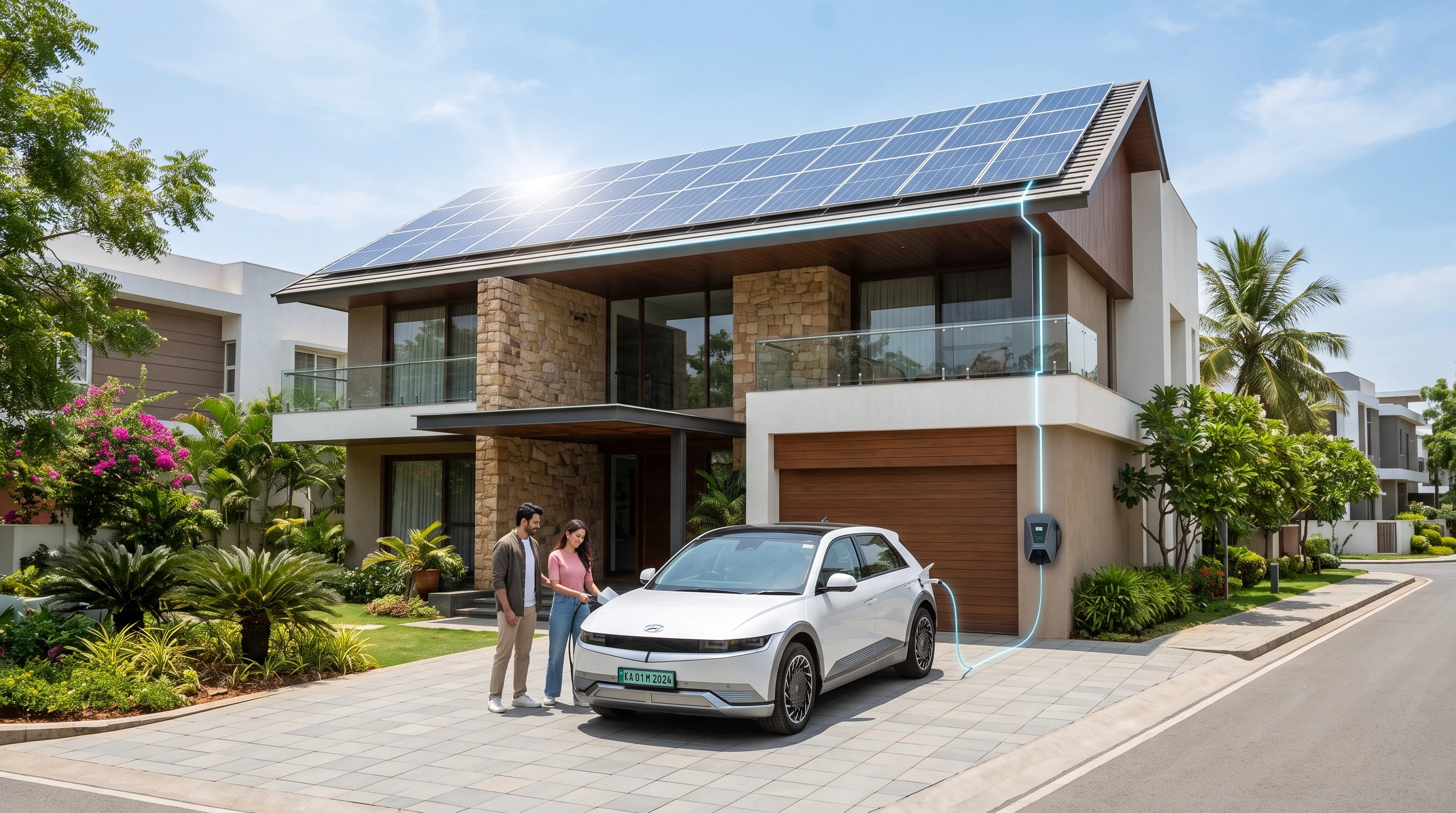
Electric vehicles are becoming a practical choice for many homeowners, but charging an EV adds another question to the conversation: Can solar panels charge an electric vehicle? The answer is yes. A properly designed solar EV charging setup can use electricity generated by rooftop solar panels to charge an electric vehicle at home.
Combining an EV with a solar power system for homeallows you to generate electricity on your own property and use part of that energy for transportation. Instead of treating your car and home electricity as separate needs, a well-planned system can bring both together.
How Does Solar EV Charging Work?
Solar panels generate electricity during daylight hours. That electricity can be used by your home appliances first, while available power can then be directed to an EV charger. The charger supplies electricity to the vehicle's battery according to the requirements of the car and charging equipment.
The actual charging setup depends on the solar system, inverter, charger, vehicle battery, and household electricity demand. A professional design ensures these components work together safely without placing unnecessary load on the home's electrical system.
Can You Charge an EV Directly From Solar Panels?
Solar panels generate variable electricity depending on sunlight, while an EV charger requires a controlled electrical supply. For this reason, solar panels are not simply connected directly to an electric vehicle. The electricity passes through the appropriate solar inverter and EV charging equipment before reaching the vehicle.
Your home can continue using electricity at the same time, with the system managing available solar generation and household demand. Depending on the installation, additional electricity can come from the grid when solar production is not enough.
How Much Solar Power Do You Need to Charge an EV?
There is no single solar capacity that works for every electric vehicle owner. The requirement depends on how far you drive, how frequently you charge, your vehicle's battery capacity, and your existing household electricity consumption.
| Factor | Why It Matters |
|---|---|
| Daily Driving | More kilometres generally require more charging energy. |
| Vehicle Battery | Larger batteries require more electricity for a full charge. |
| Home Electricity Usage | Household consumption shares the available solar generation. |
| Solar Capacity | A larger system can generate more electricity for home and EV use. |
| Sunlight Availability | Solar generation changes throughout the day and across seasons. |
Can a 5kW Solar System Charge an Electric Vehicle?
A 5kW solar system can contribute significantly to EV charging, but whether it can cover your vehicle's entire charging requirement depends on your home's electricity consumption and driving habits.
For example, a household that uses relatively little electricity may have more daytime solar generation available for an EV. A home with several air conditioners, water heaters, and other high-consumption appliances will have less surplus energy available for vehicle charging.
What Is the Best Time to Charge an EV With Solar?
Charging during periods of strong solar generation can make better use of the electricity produced by your rooftop system. For many homeowners, daytime charging is particularly useful when the vehicle is parked at home and the solar system is actively generating power.
If your vehicle is normally away from home during the day, a battery storage system can provide another option by storing surplus electricity for later use. The right approach depends on your daily routine and energy consumption.
Can Solar Charge an EV at Night?
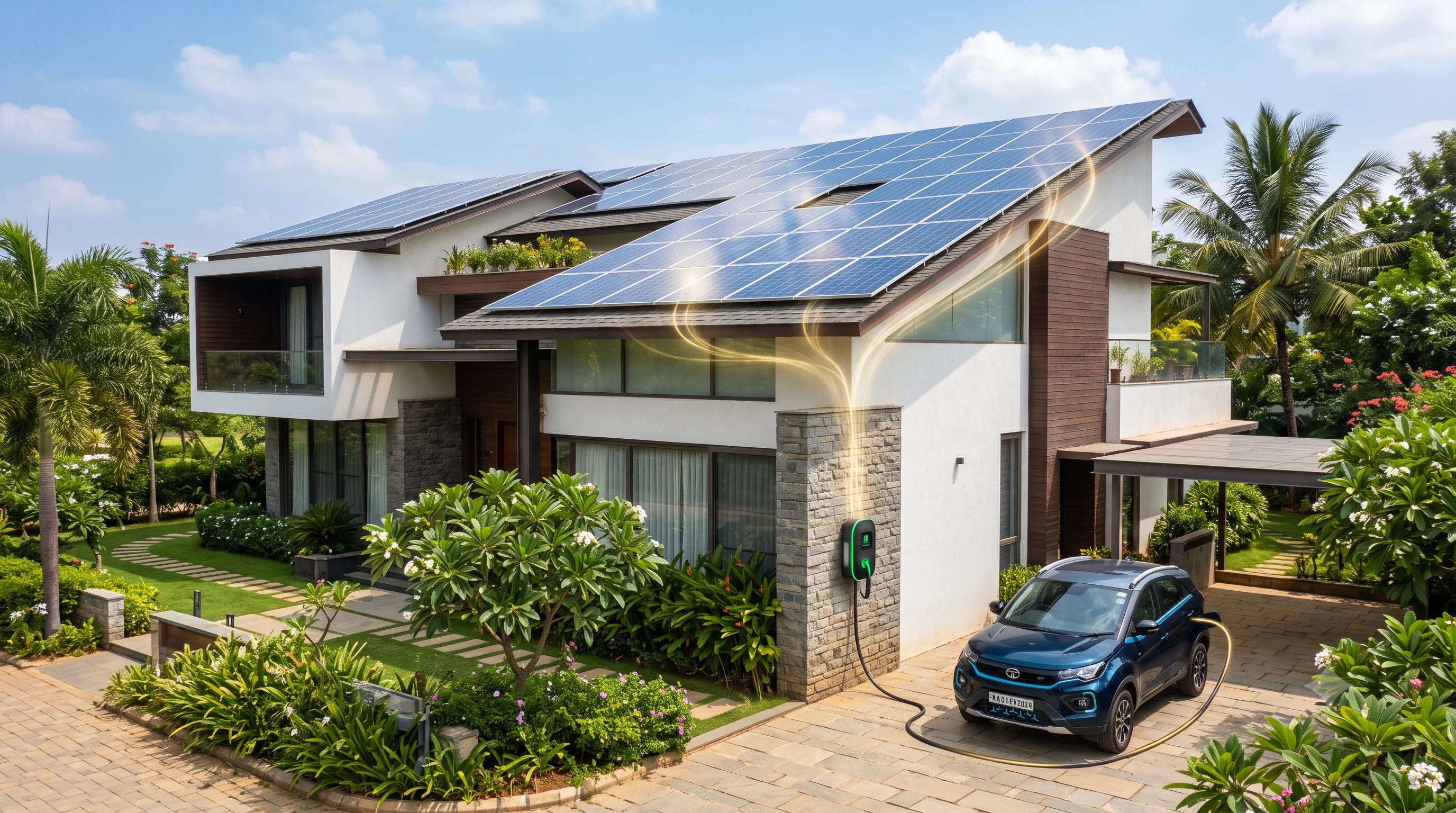
Solar panels do not generate electricity after sunset. If you normally charge your EV at night, you can use electricity from the grid or stored energy from a compatible solar battery. A hybrid setup can combine solar generation, battery storage, and grid electricity to give homeowners more flexibility.
Solar EV Charging With a Battery
Adding battery storage can make a solar-powered EV setup more flexible. Excess solar electricity generated during the day can be stored and used later for household appliances or EV charging, depending on the system design.
Battery storage is not essential for every EV owner. If your vehicle is usually at home during the day, direct daytime charging from available solar generation may be enough. A battery becomes more useful when charging needs occur outside the main solar generation period.
Benefits of Charging Your EV With Solar
- Uses renewable electricity generated at your property
- Makes better use of available rooftop solar generation
- Can reduce dependence on grid electricity for vehicle charging
- Combines home energy generation with electric mobility
- Supports a cleaner and more sustainable lifestyle
What Should You Check Before Installing Solar for an EV?
Before installing a solar panel EV charger, it is important to look at your complete electricity profile rather than sizing the system around the vehicle alone. Your home's existing consumption should be considered alongside your expected EV charging requirements.
- Your average daily driving distance
- Vehicle battery capacity
- Current household electricity consumption
- Available rooftop space
- Solar system capacity
- EV charger requirements
- Whether battery storage is needed
Why Choose Fuji Solar?
Adding EV charging to a home solar system requires careful planning. Fuji Solar can assess your existing electricity usage, rooftop potential, and EV charging requirements to design a solution that works for your property.
From rooftop solar installation to energy storage and EV charging integration, our team focuses on creating practical solar energy solutions for modern homes. A properly planned system can help you make better use of renewable electricity while preparing your home for the growing shift towards electric mobility.
Frequently Asked Questions (FAQ)
1. Can solar panels charge an electric vehicle?
Yes. A properly designed solar system can supply electricity to a compatible EV charger, allowing an electric vehicle to be charged using solar-generated power.
2. Can a 5kW solar system charge an EV?
A 5kW system can contribute to EV charging, but the amount of charging it can provide depends on household electricity usage, driving distance, sunlight availability, and the vehicle's requirements.
3. Can I charge my EV with solar at night?
Solar panels do not generate electricity at night. Night-time EV charging can use grid electricity or stored energy from a compatible solar battery system.
4. Do I need a battery to charge an EV with solar?
No. A battery is not always necessary. Daytime charging can use available solar generation directly through the appropriate charging equipment. Battery storage provides additional flexibility for charging at other times.
5. Can Fuji Solar help with a solar EV charging setup?
Yes. Fuji Solar can assess your home's energy requirements and help plan a rooftop solar solution that takes your EV charging needs into account.
Conclusion
Solar panels can do more than reduce the electricity used inside your home. With the right design, they can also become a source of renewable energy for your electric vehicle. The ideal setup depends on your driving habits, household consumption, available roof space, and preferred charging schedule.
If you're planning to install an EV or already own one, combining it with a solar power system for home can be a smart way to make better use of renewable energy. Fuji Solar can help you assess your requirements and plan a reliable solar and EV charging solution for your property.