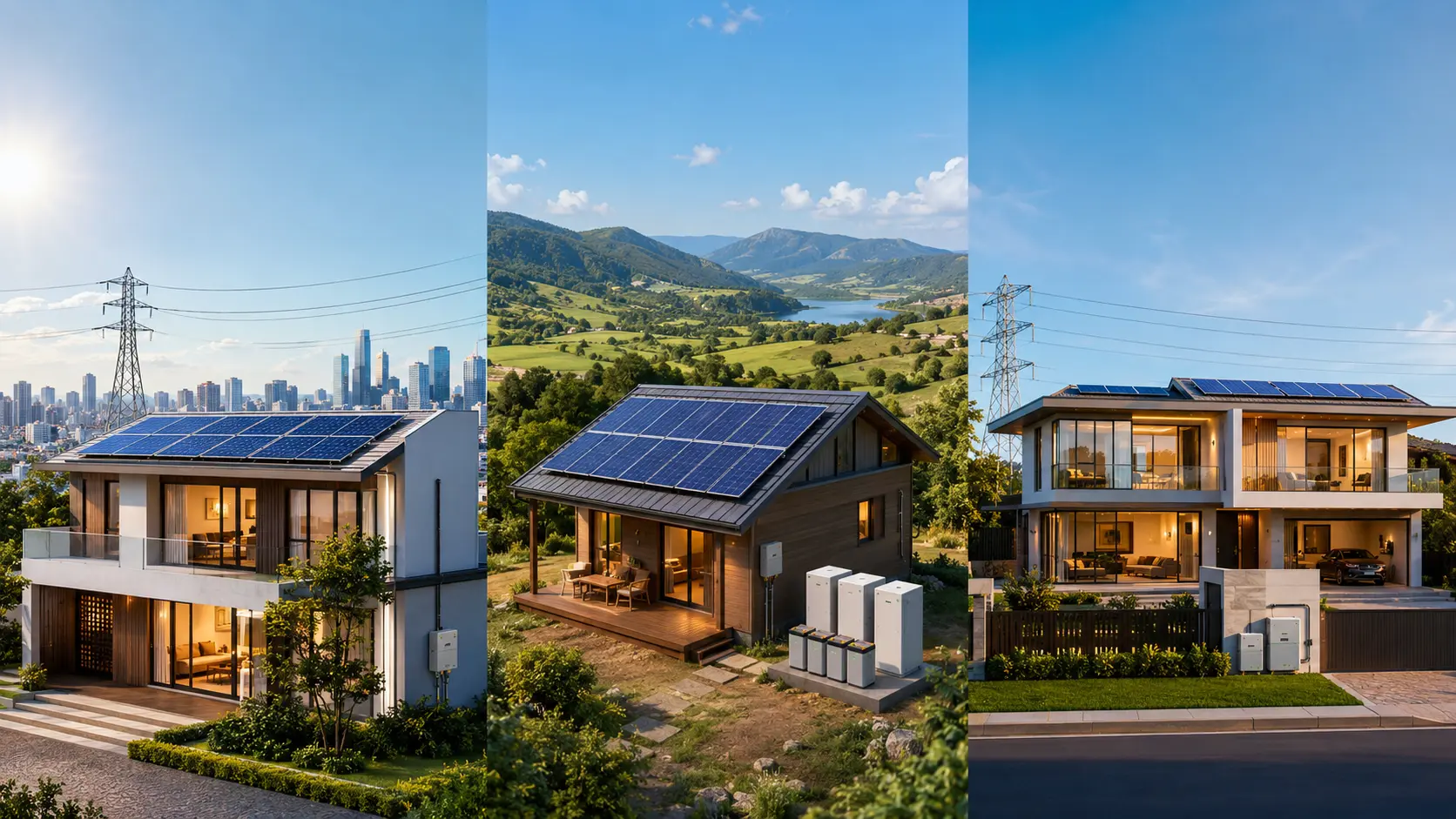
On-Grid vs Off-Grid vs Hybrid Solar Systems: Which One Is Right for You?
Confused about which solar system to choose? Discover the key differences between on-grid, off-grid, and hybrid solar systems to find the perfect solution for your home or business.
Choosing the right rooftop solar system is one of the most important decisions when investing in renewable energy. Many homeowners search for the best solar system for home but often get confused between an on-grid solar system, off-grid solar system, and hybrid solar system. Each option is designed for different energy requirements, and selecting the right one can make a significant difference in long-term savings and convenience.
Whether you're planning a residential installation or looking for a commercial solar solution, understanding how these systems work will help you make a confident decision. In this guide, we'll compare all three systems, explain their advantages, and help you determine which one best fits your lifestyle.
What Is an On-Grid Solar System?
An on-grid solar system, also called a grid-connected solar system, is connected directly to the electricity grid. During the day, your solar panels generate electricity to power your home. If the system produces more energy than you consume, the extra power can be sent back to the grid through net metering.
Since this system depends on the utility grid, it automatically draws electricity whenever solar production is low. It is one of the most popular choices because it offers excellent electricity savings with minimal maintenance.
Advantages of an On-Grid Solar System
- Lower installation cost
- Reduced electricity bills
- Supports net metering
- Minimal maintenance
- High energy efficiency
Best For
- Homes with reliable electricity supply
- Apartments
- Urban residential buildings
- Commercial offices
- Schools and institutions
What Is an Off-Grid Solar System?
An off-grid solar system operates independently without relying on the electricity grid. It stores the electricity generated by solar panels in a solar battery backup, allowing you to use power even at night or during cloudy weather.
This type of system is ideal for remote locations where grid electricity is unavailable or unreliable. Since the entire property depends on stored solar energy, battery capacity plays a crucial role in system performance.
Advantages of an Off-Grid Solar System
- Complete energy independence
- Power during grid outages
- Suitable for remote locations
- Reliable battery backup
- No dependence on utility providers
What Is a Hybrid Solar System?
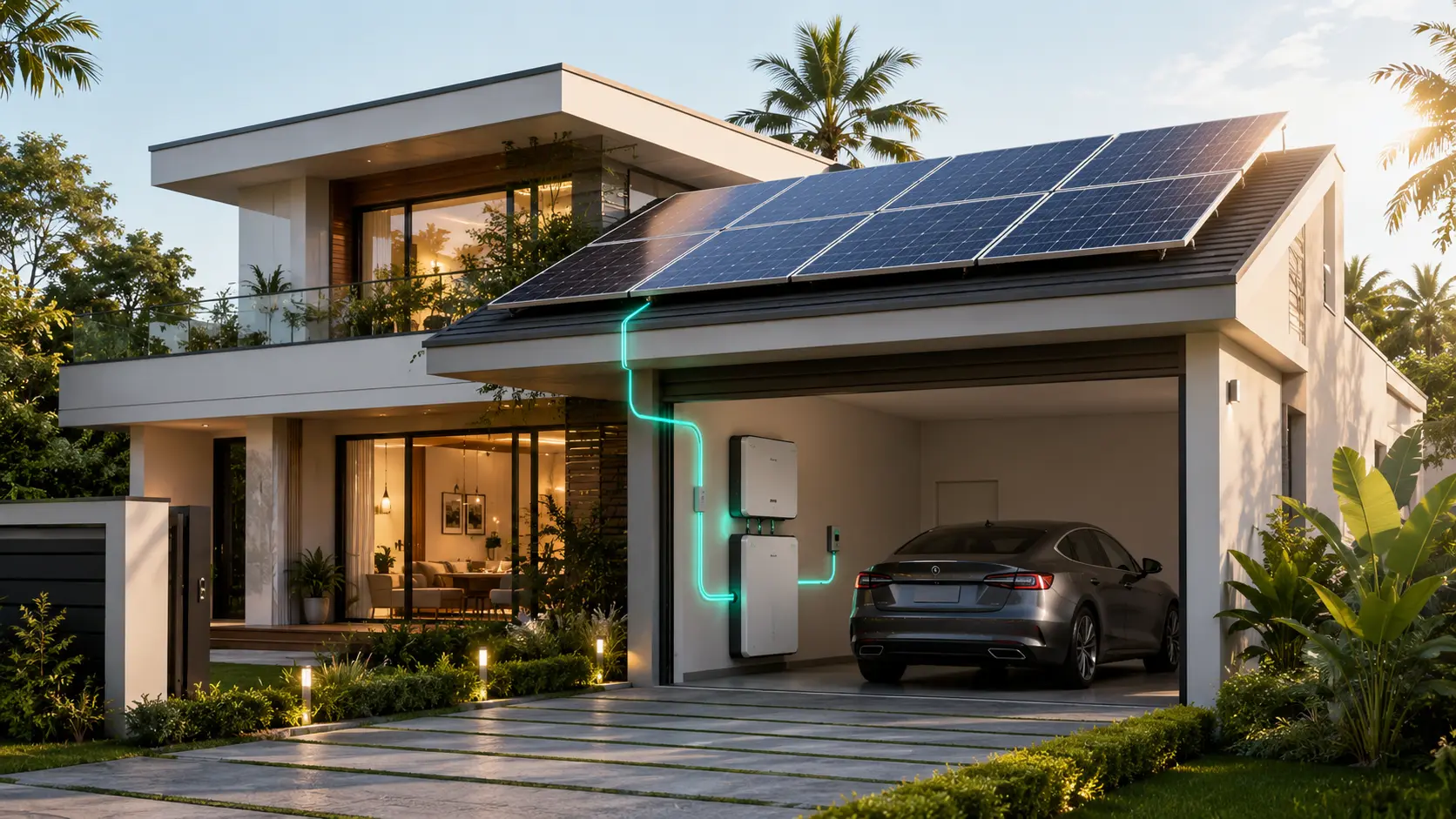
A hybrid solar system combines the advantages of both on-grid and off-grid systems. It remains connected to the electricity grid while also including a battery backup. This allows you to use solar energy during the day, store excess power for later use, and still access grid electricity whenever required.
Hybrid systems are becoming increasingly popular because they offer better energy security, improved electricity savings, and reliable backup during unexpected power cuts.
Advantages of a Hybrid Solar System
- Battery backup during power failures
- Lower electricity bills
- Stores excess solar energy
- Works with the electricity grid
- Excellent long-term investment
On-Grid vs Off-Grid vs Hybrid Solar System
| Feature | On-Grid | Off-Grid | Hybrid |
|---|---|---|---|
| Connected to Grid | Yes | No | Yes |
| Battery Backup | No | Yes | Yes |
| Power During Outage | No | Yes | Yes |
| Net Metering | Yes | No | Yes |
| Maintenance | Low | Medium | Medium |
Which Solar System Should You Choose?
The best solar power system depends on your daily electricity consumption, location, and backup requirements. If you have a reliable electricity connection and your primary goal is to reduce electricity bills, an on-grid solar system is an excellent choice. It is affordable, efficient, and works well for most urban homes and businesses.
If you live in an area where power cuts are frequent or grid electricity is unavailable, an off-grid solar systemprovides complete energy independence with battery storage. For homeowners and businesses looking for the best of both worlds, a hybrid solar system offers uninterrupted power, battery backup, and lower electricity bills.
Why More Homeowners Are Choosing Hybrid Solar Systems
Hybrid systems have become increasingly popular because they combine energy savings with reliable backup power. Unlike traditional grid-connected systems, they continue supplying electricity during power outages while also reducing dependence on the utility grid. As battery technology continues to improve, hybrid systems are becoming a preferred choice for both residential and commercial properties.
Why Choose Fuji Solar?
At Fuji Solar, we understand that every property has unique energy requirements. Our experienced team evaluates your electricity usage, available rooftop space, and future energy needs to recommend the most suitable solution. Whether you need an on-grid solar system, off-grid solar system, or a hybrid solar system, we provide complete support from consultation to installation and after-sales service.
- Professional site inspection
- Customized solar system design
- Premium quality solar panels
- Experienced installation team
- Reliable after-sales support
Frequently Asked Questions (FAQ)
1. Which solar system is best for home use?
It depends on your electricity usage and backup requirements. On-grid systems are ideal for reducing electricity bills, while hybrid systems provide both savings and backup power.
2. Does an off-grid solar system require batteries?
Yes. An off-grid system stores electricity in batteries, allowing you to use power even when sunlight is unavailable.
3. Can a hybrid solar system work during power cuts?
Yes. A hybrid system stores energy in batteries and can continue supplying electricity during grid failures.
4. Which solar system requires the least maintenance?
On-grid solar systems generally require the least maintenance because they do not include battery storage.
5. Can Fuji Solar help me choose the right system?
Yes. Fuji Solar offers professional consultation and recommends the most suitable solar solution based on your electricity consumption and property requirements.
Conclusion
Understanding the difference between an on-grid solar system, off-grid solar system, and hybrid solar system is the first step toward making a smart investment in renewable energy. Each system offers unique advantages, and the right choice depends on your electricity needs, budget, and expectations for backup power.
If you're planning to install a rooftop solar system and need expert guidance, Fuji Solar is here to help. Our team will assess your requirements, recommend the ideal solution, and ensure a professional installation that delivers reliable performance and long-term savings for years to come.