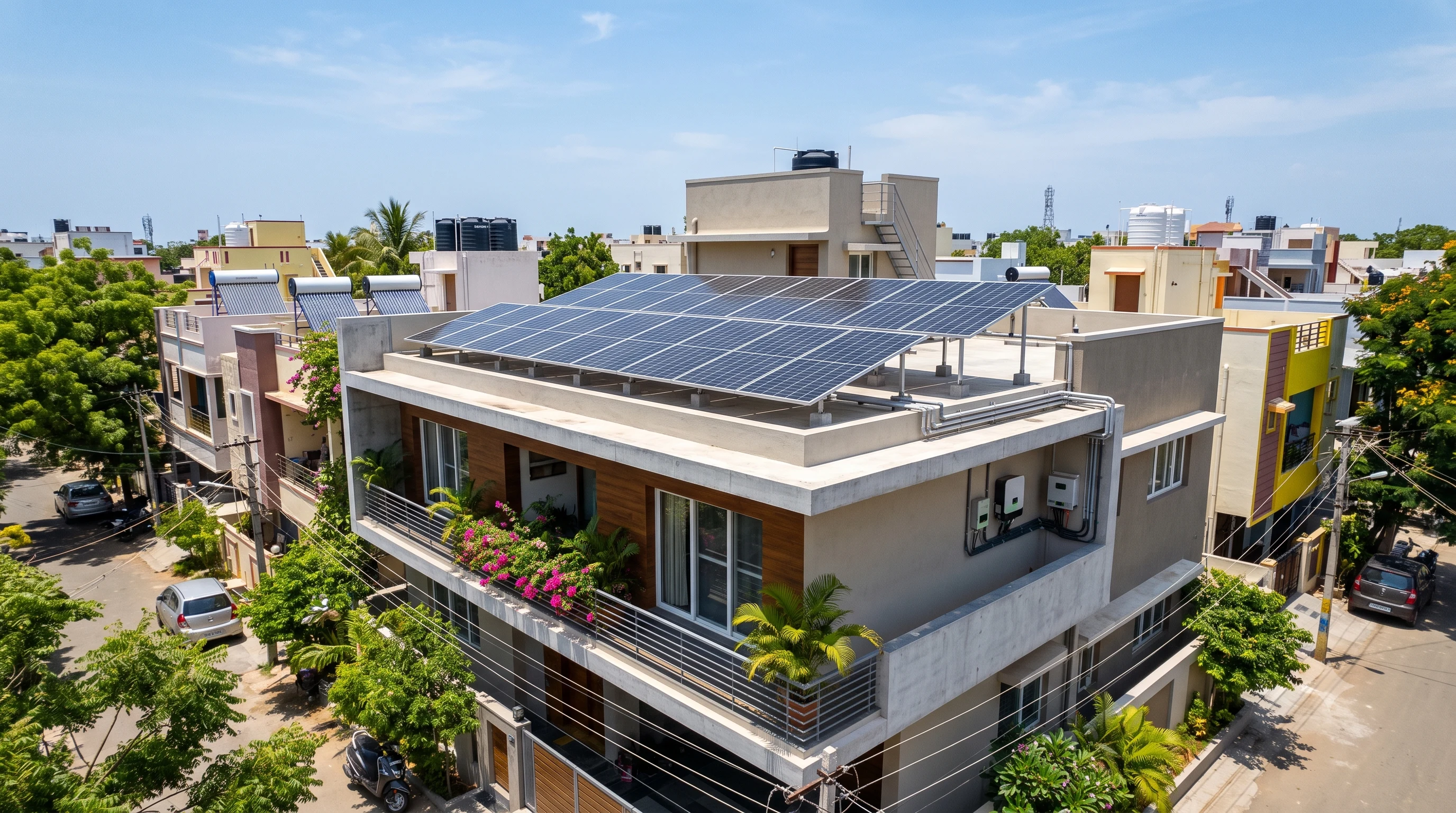
How Much Electricity Can Solar Panels Generate in a Day? A Simple Guide for Homeowners
Wondering how much electricity solar panels can generate in a day? Learn how solar power generation is measured, what affects daily output, and how 3kW, 5kW and 10kW systems can meet different household energy needs.
If you are considering solar for your home, one of the first questions you will probably have is simple: how much electricity can solar panels generate in a day? The answer depends on much more than the size of the panels. Sunlight, weather, roof direction, shading, temperature, system efficiency and several other factors influence how much electricity your solar system produces.
Solar electricity generation is usually measured in kilowatt-hours (kWh), commonly called "units" on electricity bills. Understanding daily solar power generation can help you choose the right system size instead of simply installing the largest system that fits on your roof.
How Is Solar Electricity Generation Measured?
Solar panels are rated according to their capacity, usually expressed in kilowatts (kW) when referring to a complete residential solar system. For example, a 3kW solar system has a rated capacity of 3 kilowatts under standard testing conditions.
However, a 3kW system does not continuously produce 3kW throughout the day. Solar generation changes as sunlight changes. Production generally increases after sunrise, reaches stronger levels around the middle of the day and decreases toward sunset.
This is why solar panel output per day is better understood by looking at total energy generated over the day rather than expecting a constant power output.
How Much Electricity Can Solar Panels Generate?
There is no single daily generation figure that applies to every solar installation. Two homes with identical solar systems can produce different amounts of electricity because their sunlight conditions and installation characteristics may not be the same.
For homeowners, the easiest way to think about it is that a solar system's daily generation depends on its installed capacity and the amount of useful sunlight available at the site.
- System capacity – A larger solar system can generally generate more electricity when sufficient sunlight is available.
- Sunlight availability – The intensity and duration of sunlight directly affect daily production.
- Roof orientation – The direction and angle of the solar panels influence how effectively they receive sunlight.
- Shading – Trees, nearby buildings and other obstructions can reduce solar panel daily output.
- Temperature – Very high panel temperatures can affect module performance.
- System losses – Inverter conversion, wiring and other electrical losses mean actual output is lower than the theoretical maximum.
- Panel condition – Dust, dirt and other buildup can reduce the amount of sunlight reaching the panels.
What Does a 3kW Solar System Generate?
A 3kW solar system is commonly considered for homes with moderate electricity consumption. Its actual daily generation will vary depending on the location and installation conditions.
Rather than treating a fixed number of units as guaranteed, homeowners should look at the expected generation over a longer period. Daily production naturally changes between sunny, cloudy and rainy days.
If your household uses electricity mainly for lighting, fans, televisions, refrigerators and other everyday appliances, a properly designed 3kW system may be suitable depending on your total energy consumption and available roof space.
What Does a 5kW Solar System Generate?
A 5kW solar system offers greater generation capacity than a 3kW system and can be a better fit for households with higher electricity consumption. It is often considered when a home has multiple air conditioners, water heaters, larger refrigerators, washing machines, pumps or other high-consumption appliances.
If you are searching for how many units can a 5kW solar system generate, remember that the answer should be based on actual site conditions rather than the system's capacity alone. A properly positioned system with good sunlight can perform very differently from one affected by significant shading.
What Does a 10kW Solar System Generate?
A 10kW solar system is generally considered for homes or properties with substantially higher electricity requirements. It provides considerably more generation capacity and also requires more suitable roof or installation space.
For homeowners asking how much power can a 10kW solar system generate, the same principle applies: the rated capacity tells you the size of the system, but actual energy production depends on sunlight and installation conditions throughout the year.
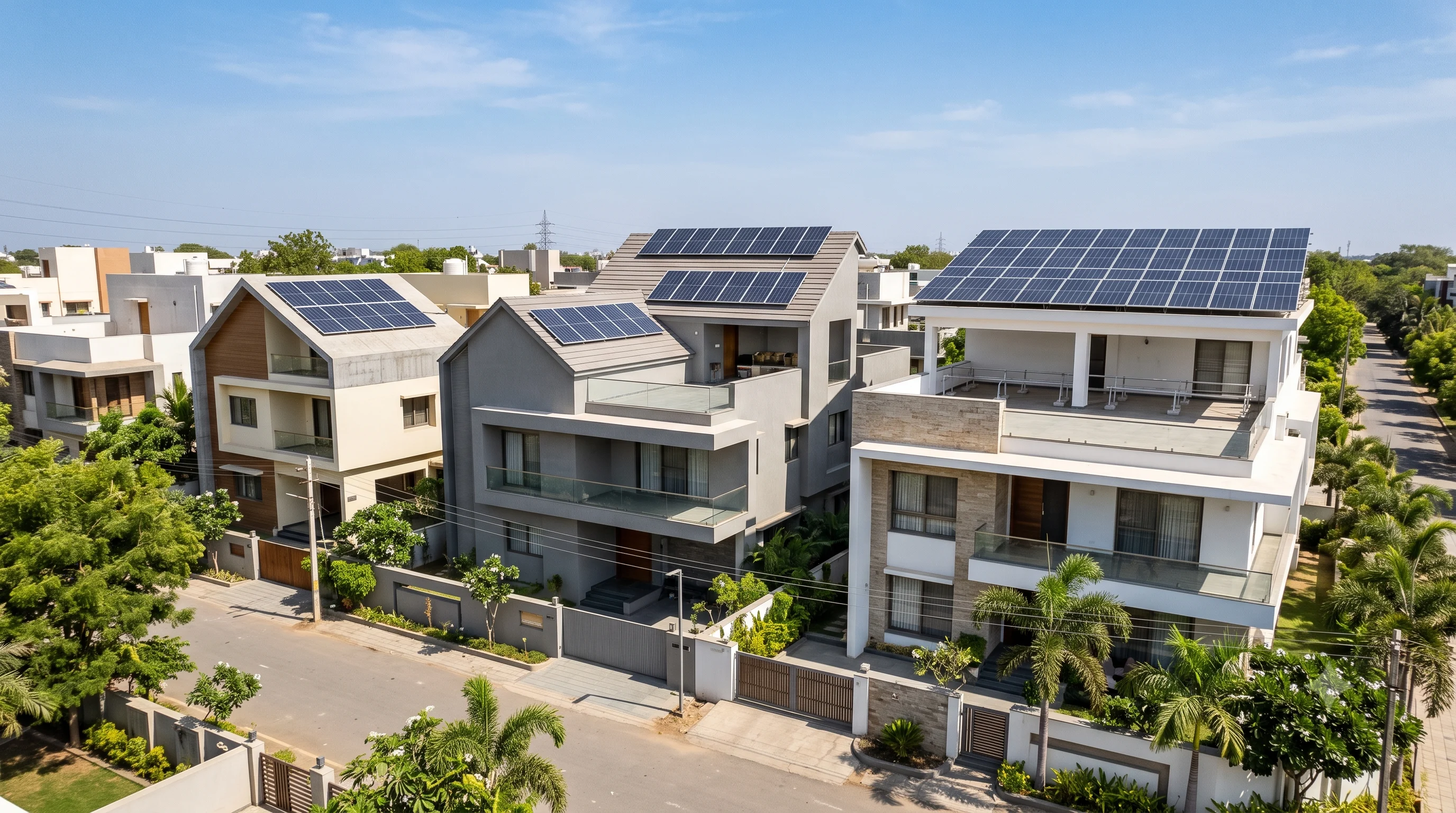
3kW vs 5kW vs 10kW Solar System
Choosing between a 3kW, 5kW and 10kW system should not be based only on the amount of electricity you want to generate. Your current electricity consumption, future requirements, roof space, budget and site conditions all need to be considered.
| System Size | Typical Use | Generation Potential | Best For |
|---|---|---|---|
| 3kW | Moderate household consumption | Lower than larger systems | Smaller homes and moderate electricity usage |
| 5kW | Medium to higher household consumption | Higher than a 3kW system | Homes with greater appliance usage |
| 10kW | High electricity consumption | Higher generation capacity | Large homes and properties with high energy demand |
These comparisons describe generation capacity rather than guaranteed daily production. A professional solar assessment can provide a much more realistic estimate based on your location, roof and expected electricity consumption.
How to Estimate Your Solar Power Generation
A simple starting point is to check your electricity bills and identify how many units your household normally consumes each month. This gives you a much better basis for sizing a solar power system for home than estimating from the number of appliances alone.
For example, if your electricity usage changes significantly from month to month, look at several recent bills instead of relying on one month's consumption. This can reveal your normal usage pattern and help determine whether a 3kW, 5kW or larger rooftop solar system makes sense.
What Affects Solar Panel Daily Output?
The amount of electricity generated by a solar system can change from one day to another. Even a well-designed system will not produce the same amount of power every day. Several factors can influence your solar power generation per day.
1. Amount of Sunlight
Solar panels need sunlight to generate electricity. Clear days with strong sunlight generally provide better generation conditions, while cloudy or heavily overcast weather can reduce output. This is one reason why daily production should be viewed as an estimate rather than a fixed number.
2. Roof Direction and Panel Angle
The direction and angle of your panels affect how much sunlight they receive during the day. A professional rooftop solar installation considers the property's location, roof structure and available sunlight before deciding the panel layout.
3. Shading Around the Property
Shadows from trees, neighbouring buildings, water tanks and other structures can reduce solar panel output. Even when your roof has enough space for a solar system, shading should be checked before installation.
4. Temperature and Weather Conditions
Solar panels are designed to operate outdoors, but their performance can vary with environmental conditions. High module temperatures, cloudy weather, rain and other conditions can affect the amount of electricity produced.
5. System Efficiency and Electrical Losses
The electricity generated by the panels passes through other components before it can be used by your home. Inverter conversion, cabling and other system losses mean that actual usable energy will not exactly match the theoretical output of the solar panels.
Does Solar Generation Stay the Same Throughout the Year?
No. Solar electricity generation naturally changes throughout the year. Weather conditions, seasonal sunlight patterns and other environmental factors can influence the amount of energy your system produces.
This means you should not judge the performance of your solar system from a single day's generation. Looking at monthly and yearly generation gives you a much more useful picture of how your system is performing.
How Many Solar Units Does a Home Need?
The right solar system depends on how much electricity your household actually consumes. A home using a smaller number of units each month may not need the same system size as a larger property with several high-consumption appliances.
- Check your recent electricity bills to understand your average monthly consumption.
- Identify appliances that use significant amounts of electricity.
- Consider whether your electricity usage is likely to increase in the future.
- Check how much usable roof space is available.
- Look for trees or nearby structures that could create shading.
- Ask a solar professional to assess the site before selecting the system size.
Can Solar Panels Generate Enough Electricity for a Home?
A properly designed residential solar system can generate a significant portion of a home's electricity requirements. However, whether it can cover most or all of your consumption depends on your energy usage, system size, roof conditions and local solar resources.
For this reason, it is better to ask how much solar power does a house need rather than choosing a system based only on its size. A professional assessment can match your expected electricity consumption with the appropriate solar capacity.
Why Professional Solar System Sizing Matters
Choosing a solar system is not simply about installing as many panels as possible. The system needs to work with your electricity consumption, roof structure, available area and expected generation.
A reliable solar installation company can evaluate your electricity bills and property before recommending a system. This helps avoid both under-sizing and unnecessary oversizing.
If you are looking for solar installation in Chennaior elsewhere in Tamil Nadu, a site-specific assessment is especially useful because local weather, roof design and property conditions can all influence your expected output.
How to Get the Most From Your Solar Panels
Once your system is installed, regular attention can help it continue operating effectively. Keeping the panels reasonably clean, checking the system for unusual performance and addressing faults promptly can help protect long-term generation.
- Keep panels free from excessive dust and dirt.
- Monitor your solar generation regularly.
- Check for new sources of shading around the roof.
- Do not ignore unusual drops in electricity production.
- Schedule professional inspections when required.
- Use a properly sized inverter and compatible system components.
Choose the Right Solar System With Fuji Solar
Understanding how much electricity can solar panels generate is an important first step, but the right system should always be selected based on your property's actual requirements.
At Fuji Solar, we help homeowners understand their electricity requirements, evaluate their available space and choose a suitable solar solution. Whether you are considering a 3kW, 5kW or 10kW system, the goal is to design a system that makes practical sense for your home and energy consumption.
If you are planning a residential solar installation, speak with the Fuji Solar team to understand your options and get professional guidance for your property.
Frequently Asked Questions (FAQ)
1. How much electricity can solar panels generate in one day?
Daily solar generation depends on system capacity, sunlight, roof orientation, shading, temperature, system losses and other site conditions. There is no single guaranteed daily output for every installation.
2. How many units does a 3kW solar system generate?
A 3kW system's generation varies depending on sunlight and installation conditions. It is better to evaluate expected monthly and annual generation rather than relying on a fixed daily number.
3. How many units can a 5kW solar system generate?
A 5kW system has greater generation capacity than a 3kW system, but its actual output depends on sunlight, shading, panel orientation, weather and system efficiency.
4. How much power can a 10kW solar system generate?
A 10kW system has a higher generation capacity and can suit properties with greater electricity demand. Actual daily production depends on the property's solar conditions and system design.
5. Can solar panels generate enough electricity for my entire home?
They can potentially cover a large portion or, in suitable cases, most of a home's electricity requirements. The required system size depends on your consumption, roof space, sunlight and other installation conditions.
Conclusion
So, how much electricity can solar panels generate?There is no universal answer because every solar installation is different. System size gives you the generation capacity, while sunlight, roof conditions, shading, weather and system efficiency determine how much electricity you actually produce.
Instead of focusing only on the number of units a solar panel can generate in a single day, look at your household's overall electricity consumption and expected long-term solar production. A properly sized solar power system for home can help reduce dependence on grid electricity while making better use of your available rooftop space.
If you are considering rooftop solar for your home, Fuji Solar can help you understand your requirements and choose a system suited to your property.