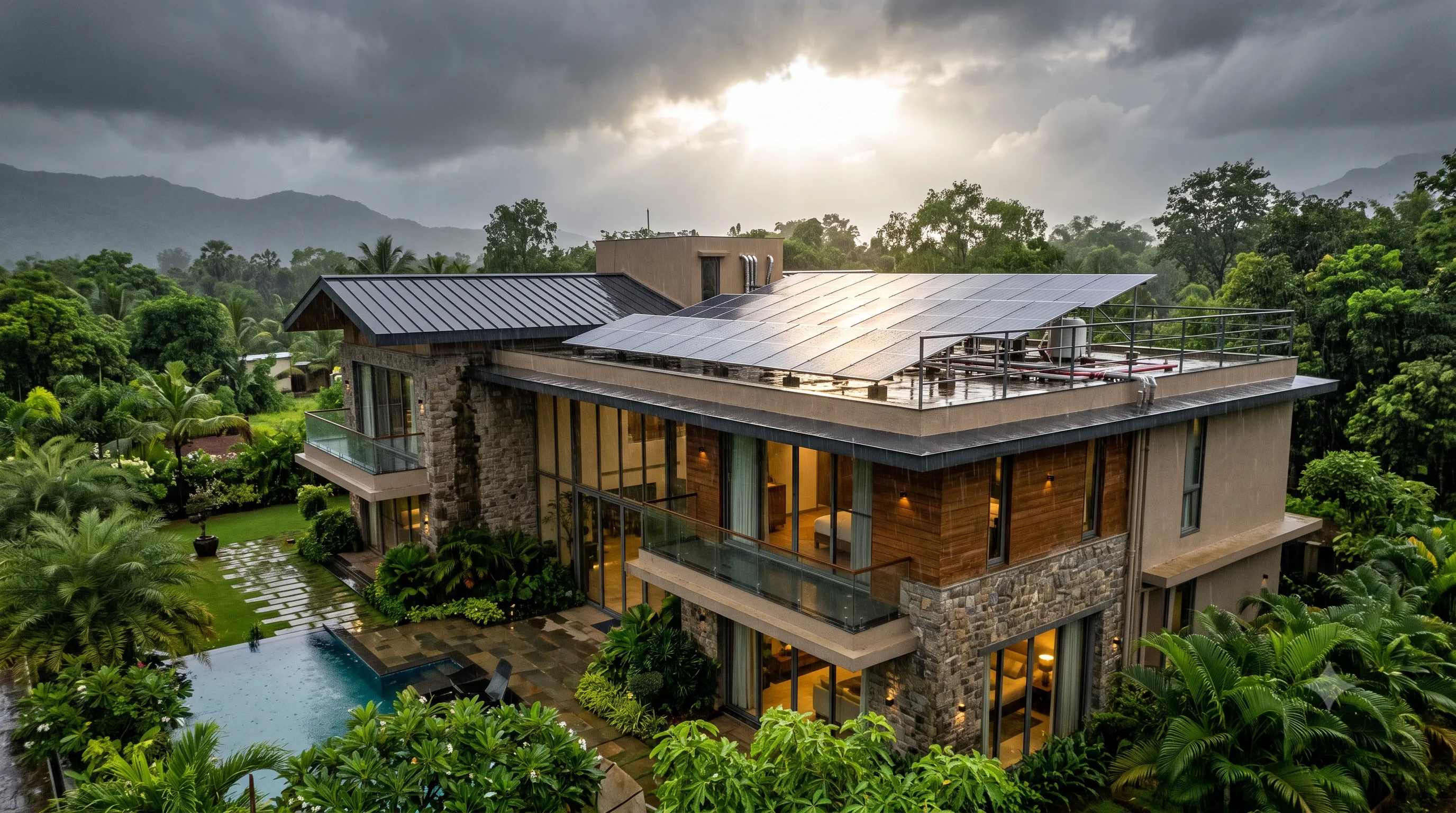
Do Solar Panels Work During Rainy Season? Myths vs Facts Explained
Many homeowners believe solar panels stop working when it rains, but that's one of the biggest myths about solar energy. Learn how solar panels perform during rainy weather, what affects solar panel efficiency, and how to maximize your system's performance throughout the year.
One of the most common questions homeowners ask before investing in solar panels for home is, "Do solar panels work during rainy season?" Since India experiences heavy monsoon rains every year, many people assume that a rooftop solar system becomes ineffective whenever the weather turns cloudy. Fortunately, that isn't true.
Modern solar panels are designed to generate electricity whenever daylight is available. While solar panel efficiency may decrease slightly during rainy or cloudy weather, your system continues producing clean energy. Understanding how solar panels perform throughout different seasons helps homeowners make informed decisions before installation.
How Do Solar Panels Generate Electricity?
Solar panels convert sunlight into electricity using photovoltaic cells. Contrary to popular belief, these panels do not require extreme heat to generate power. Instead, they rely on daylight, which means they continue producing electricity even when the sky is covered by clouds.
Although bright sunny days produce the highest amount of electricity, solar power generation continues throughout cloudy conditions. This makes solar energy solutions a reliable option in almost every season of the year.
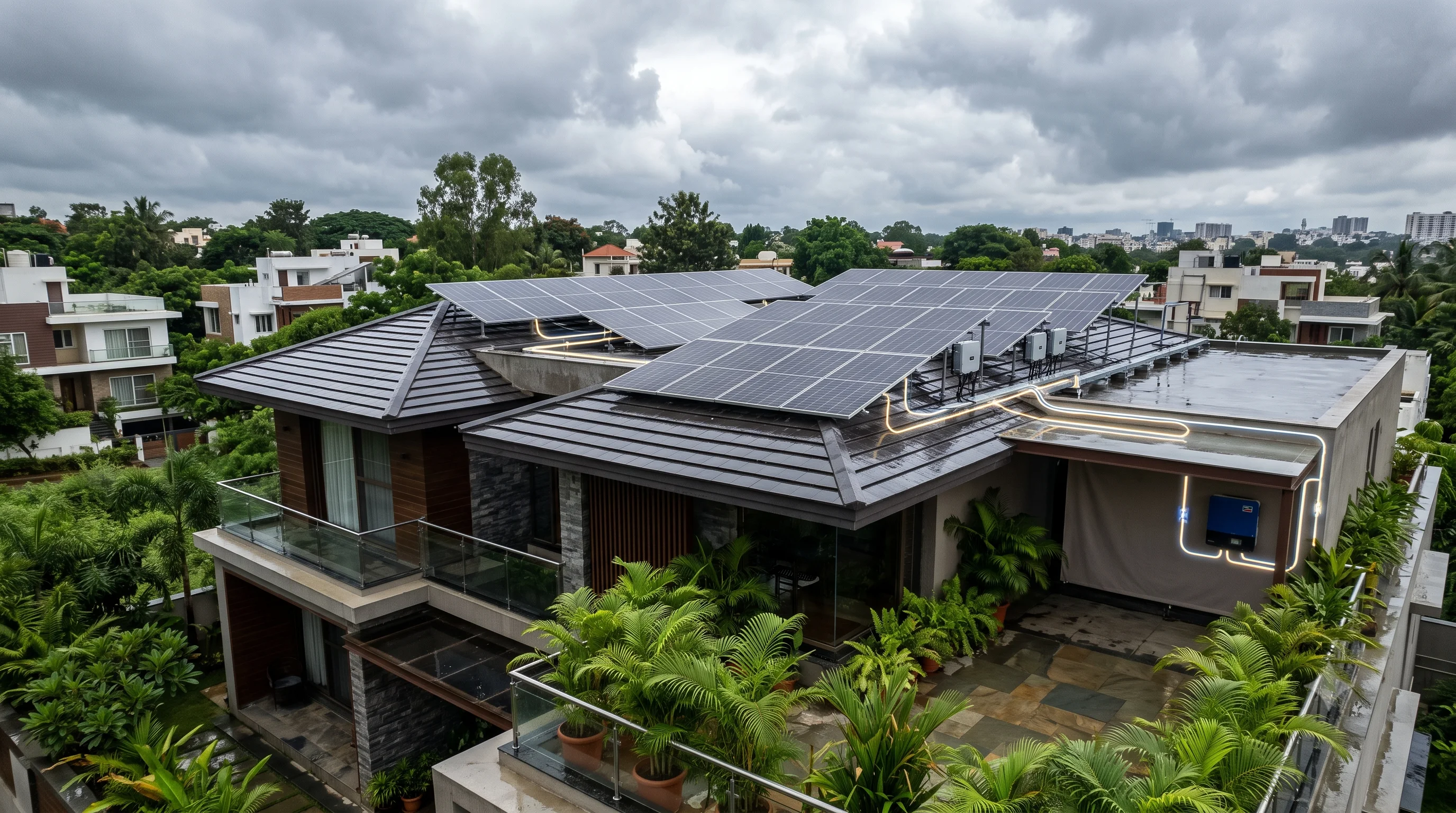
Do Solar Panels Work During Rainy Season?
Yes. Solar panels in rainy season continue generating electricity whenever daylight reaches the photovoltaic cells. Heavy rain and thick clouds may temporarily reduce energy production, but they do not stop the system from working. Even during the monsoon, homeowners can continue benefiting from clean and renewable energy.
In fact, rain can even help improve performance over time by washing away dust and dirt that naturally accumulate on the panel surface. Cleaner panels absorb sunlight more effectively once clear weather returns.
Do Solar Panels Work on Cloudy Days?
Another common misconception is that solar panels in cloudy weather stop producing electricity. While output is lower than on bright sunny days, solar panels still capture diffused sunlight passing through clouds. This is why countries with frequent cloudy weather continue to successfully generate electricity using solar energy.
Modern solar technology has become increasingly efficient, allowing homeowners to enjoy dependable energy production throughout the year, regardless of seasonal weather changes.
Common Myths vs Facts
| Myth | Fact |
|---|---|
| Solar panels stop working during rain. | Solar panels continue generating electricity using daylight. |
| Cloudy weather makes solar useless. | Cloud cover reduces output but does not stop generation. |
| Rain damages solar panels. | Quality solar panels are designed to withstand heavy weather conditions. |
| Solar only works in summer. | Solar systems generate electricity throughout the year. |
Does Rain Reduce Solar Panel Efficiency?
Yes, rainy weather can reduce solar panel efficiency, but the reduction is usually temporary. Since thick clouds block part of the sunlight, solar panels receive less solar radiation and therefore generate slightly less electricity. However, the system continues working and automatically returns to full performance when weather conditions improve.
The amount of electricity generated depends on several factors, including rainfall intensity, cloud cover, panel quality, and proper installation. A professionally designed rooftop solar system ensures consistent performance throughout every season.
Tips to Improve Solar Panel Performance During Rainy Weather
Although weather cannot be controlled, homeowners can follow a few simple practices to ensure their solar panels during monsoon continue performing efficiently throughout the year.
- Choose high-efficiency solar panels.
- Ensure professional rooftop solar installation.
- Trim nearby trees to reduce shading.
- Schedule periodic inspections and maintenance.
- Monitor your solar inverter for system performance.
Why Professional Installation Matters
Proper installation plays a major role in long-term performance. Experienced installers carefully position solar panels to receive maximum sunlight throughout the day while considering roof angle, drainage, ventilation, and local weather conditions. This helps maintain better energy production even during the rainy season.
Choosing an experienced solar installation company also ensures that every component, including the inverter and mounting structure, is installed according to industry standards for safety and durability.
Why Choose Fuji Solar?
Fuji Solar provides complete residential solar solutions for homes, apartments, businesses, and industries. Our team designs every system based on your electricity requirements, roof conditions, and local weather patterns, ensuring dependable performance in every season.
From consultation and design to solar panel installation and after-sales support, Fuji Solar is committed to delivering reliable renewable energy solutions that help customers save money while reducing their environmental impact.
Frequently Asked Questions (FAQ)
1. Do solar panels work during rainy season?
Yes. Solar panels continue generating electricity during rainy weather using available daylight, although energy production may be lower than on bright sunny days.
2. Do solar panels work in cloudy weather?
Yes. Modern solar panels capture diffused sunlight passing through clouds, allowing them to continue producing electricity.
3. Does rain damage solar panels?
No. High-quality solar panels are designed to withstand rain, wind, and other outdoor weather conditions when professionally installed.
4. Can rain clean solar panels?
Light rain can wash away dust and dirt from the panel surface, but periodic professional cleaning is still recommended for optimal performance.
5. Which solar system is best for areas with frequent rain?
The ideal system depends on your electricity usage and backup requirements. A professional site survey helps determine the most suitable option for your property.
Conclusion
The idea that solar panels stop working during rain is one of the most common misconceptions about solar energy. In reality, solar panels in rainy season continue generating electricity whenever daylight is available. Although cloudy weather may temporarily reduce output, a properly designed system continues delivering reliable performance throughout the year.
If you're considering a rooftop solar system, Fuji Solar can help you choose the right solution for your home or business. Our experienced team provides professional consultation, high-quality installation, and dependable support to ensure your solar investment delivers clean energy and long-term savings in every season.