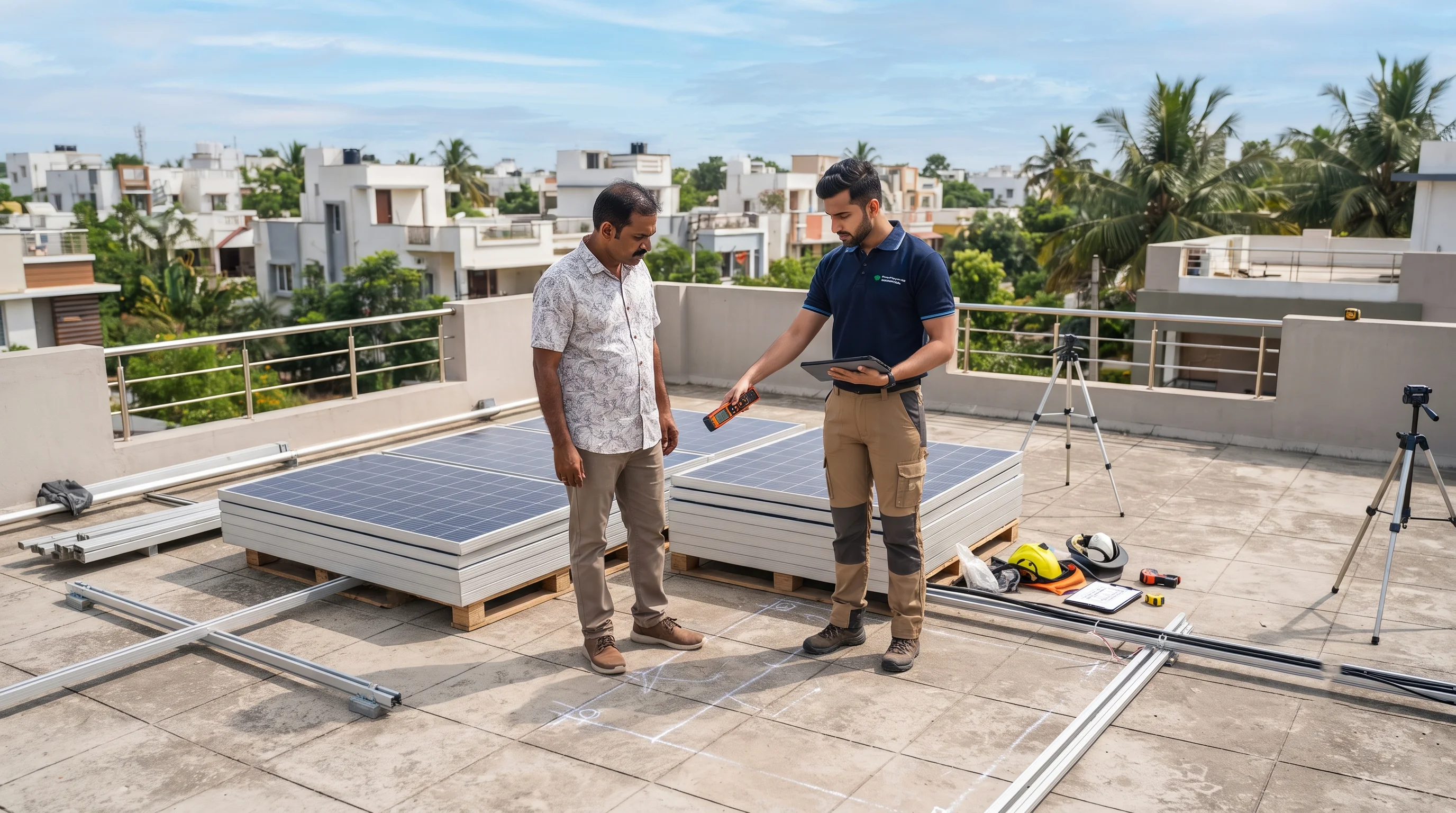
10 Common Mistakes to Avoid Before Installing Solar Panels
Installing rooftop solar is a long-term investment. Learn the common mistakes homeowners make before installing solar panels and how proper planning can help you get better performance from your solar system.
Installing solar panels can help homeowners generate their own electricity and reduce their dependence on the grid. But choosing a solar system is not simply about putting panels on the roof. The system needs to be properly planned, installed and maintained to perform effectively over the long term.
Many homeowners begin their research by comparing panel brands, system sizes or installation costs. While these factors matter, there are several other details that can have a major impact on the performance and overall experience of a rooftop solar installation.
In this article, we look at 10 common mistakes when installing solar panels and explain what homeowners should consider before making a decision.
1. Choosing the Wrong Solar System Size
One of the most common mistakes is selecting a solar system based only on the available budget or the number of panels that can fit on the roof.
The right solar system for home should be selected after considering your electricity consumption, available roof area, solar generation potential and future energy requirements.
Look at your recent electricity bills to understand how much energy your household uses. If your electricity consumption is expected to increase because of additional appliances, air conditioners or an electric vehicle, that should also be considered during system planning.
2. Ignoring Roof Shading
Solar panels need adequate sunlight to generate electricity. Trees, neighbouring buildings, water tanks, walls and other structures can cast shadows on the panels and affect generation.
A roof may look spacious enough for solar panels but still have sections that receive significant shade during parts of the day. Shading should therefore be checked before finalising the panel layout.
A proper site assessment can help identify areas with better sunlight exposure and determine a more suitable panel arrangement.
3. Choosing Solar Panels Based Only on Price
Solar panels are a long-term investment, so the lowest initial price should not automatically be the deciding factor.
Homeowners should compare important specifications such as panel efficiency, power output, degradation characteristics, product warranty and the reputation of the manufacturer.
A slightly different panel specification can make a difference when roof space is limited. Instead of asking only "How much does this panel cost?", consider whether it is appropriate for your property and expected energy requirements.
4. Overlooking the Solar Inverter
Solar panels receive most of the attention, but the inverter is also a critical part of a solar power system. It converts the DC electricity generated by the panels into AC electricity that can be used by household appliances.
The inverter should be compatible with the solar array and designed for the intended application. Its capacity, efficiency, monitoring features, warranty and installation conditions should all be considered.
Choosing panels without paying attention to the inverter can result in a system that is not properly balanced.
5. Not Checking the Installation Quality
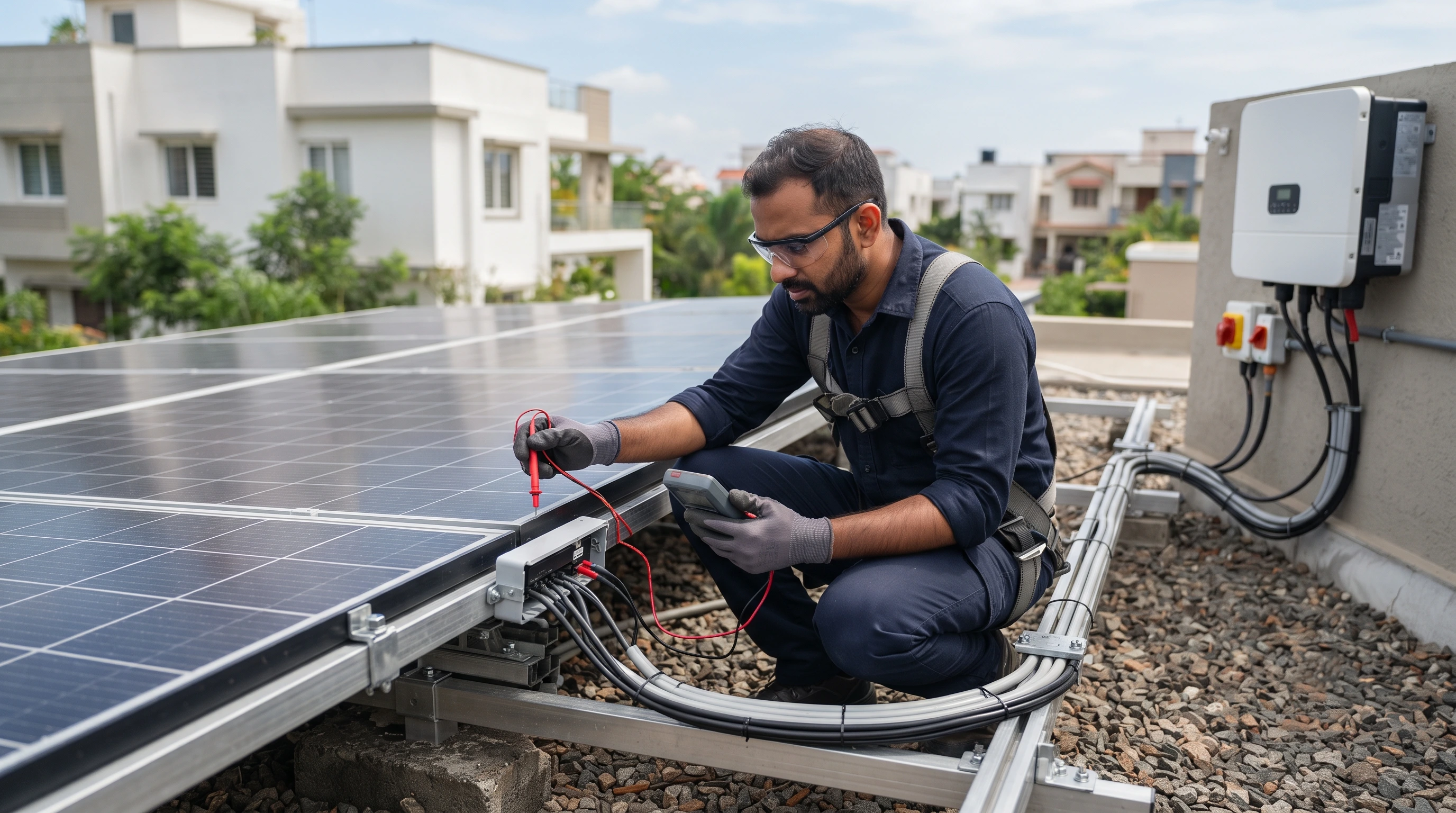
Good solar equipment still needs proper installation. Mounting structures, electrical connections, cable management, earthing, protection equipment and panel positioning all need to be handled correctly.
Poor installation can create unnecessary performance and maintenance issues. It can also affect the long-term condition of the rooftop and electrical system.
This is why selecting an experienced solar installation company is just as important as selecting the solar equipment itself.
Why Planning Matters Before Installation
Solar panels are expected to operate for many years. Decisions made before installation can therefore affect your system for a long time. Checking your electricity consumption, roof condition, shading, equipment specifications and installation requirements beforehand can help prevent avoidable problems.
The next five mistakes are equally important because they involve warranties, electricity requirements, maintenance, paperwork and long-term support.
6. Not Checking Product and Performance Warranties
Solar panels, inverters and other components can come with different types of warranties. However, homeowners sometimes look only at the headline warranty period without checking what the warranty actually covers.
Before purchasing a solar panel system, understand the difference between product warranty and performance warranty. Also check the warranty conditions, exclusions and the process for making a claim.
7. Forgetting About Future Electricity Requirements
Your electricity consumption today may not be the same five years from now. Adding an air conditioner, electric vehicle, water heater, additional appliances or other electrical equipment can increase household consumption.
When planning a residential solar system, consider your expected future electricity needs instead of looking only at the latest electricity bill.
This does not mean that every homeowner needs a larger system. It means that future requirements should be discussed before the final system design is selected.
8. Not Understanding the Electricity Billing and Metering Process
Connecting a rooftop solar system to the electricity grid involves more than installing panels and an inverter. Homeowners should understand the applicable metering, grid-connection and billing procedures before installation.
In Tamil Nadu, the applicable electricity billing and metering arrangement can depend on the current utility rules and the type and date of the application. Therefore, homeowners should check the latest requirements rather than relying on information from older installations.
9. Ignoring Solar Panel Maintenance
Solar panels generally require less maintenance than many other electrical systems, but they should not simply be installed and forgotten.
Dust, dirt, bird droppings and other debris can accumulate on the panels and affect the amount of sunlight reaching their surface. Regular visual checks and appropriate cleaning can help keep the system operating properly.
- Keep panels reasonably clean.
- Check for visible damage.
- Monitor changes in solar generation.
- Watch for unusual inverter alerts.
- Check the surrounding area for new sources of shade.
- Arrange professional service when a system problem is detected.
10. Choosing an Installer Without Checking After-Sales Support
Solar installation is not the end of the relationship with your installer. Your system may need technical support, maintenance, warranty assistance or troubleshooting in the future.
Before choosing a solar company in Tamil Nadu, ask about installation support, warranty assistance, maintenance and after-sales service.
A company that can support you beyond the installation stage can make long-term solar ownership much easier.
A Simple Checklist Before Installing Solar Panels
Before finalising your rooftop solar project, use this simple checklist:
- Review your recent electricity bills.
- Estimate your future electricity requirements.
- Check the available rooftop area.
- Identify possible shading.
- Compare panel specifications and warranties.
- Check the inverter specifications.
- Ask about installation quality and safety measures.
- Understand the applicable metering and grid-connection process.
- Ask about maintenance requirements.
- Confirm after-sales and warranty support.
How Fuji Solar Helps You Avoid These Mistakes
Choosing rooftop solar becomes easier when you have professional guidance before making the final decision. At Fuji Solar, we help homeowners understand their electricity requirements and plan a solar solution based on the property.
Our team can assist with system planning, rooftop assessment, equipment selection and installation. We also provide guidance on the applicable application, metering and documentation procedures.
The goal is not simply to install more panels. It is to create a properly planned rooftop solar system that fits the property's electricity requirements and can be supported throughout its operating life.
Frequently Asked Questions
Frequently Asked Questions (FAQ)
1. What is the most common mistake when installing solar panels?
Choosing a system without properly evaluating household electricity consumption and the property is one common mistake. System size should be based on actual usage, roof conditions, solar potential and future requirements.
2. Should I choose solar panels based only on price?
No. Panel efficiency, specifications, warranty, manufacturer reputation, installation quality and long-term support should also be considered.
3. Does shading affect solar panel performance?
Yes. Shadows from trees, buildings and rooftop structures can reduce solar generation. A proper site assessment should identify potential shading before the panel layout is finalised.
4. How often do solar panels need maintenance?
Solar panels generally require limited maintenance, but regular visual checks, appropriate cleaning and system monitoring can help maintain performance. Maintenance requirements vary according to the installation and local conditions.
5. What should I check before choosing a solar installation company?
Consider installation experience, equipment specifications, warranties, safety practices, documentation support, maintenance services and after-sales assistance.
6. Does Fuji Solar provide support after installation?
Fuji Solar provides installation guidance and support for homeowners, including assistance with system-related requirements and applicable documentation and metering procedures.
Conclusion
Installing solar panels is a long-term decision, and avoiding simple mistakes before installation can make a significant difference. System sizing, roof conditions, shading, equipment quality, installation standards, warranties and after-sales support all deserve attention.
Instead of choosing a solar system based on a single factor, take time to understand your electricity consumption and property requirements. A properly planned solar power system for home can provide reliable electricity generation for many years when it is correctly designed and maintained.
If you are planning solar installation in Tamil Nadu, Fuji Solar can help you evaluate your requirements, plan your rooftop system and guide you through the installation process.